
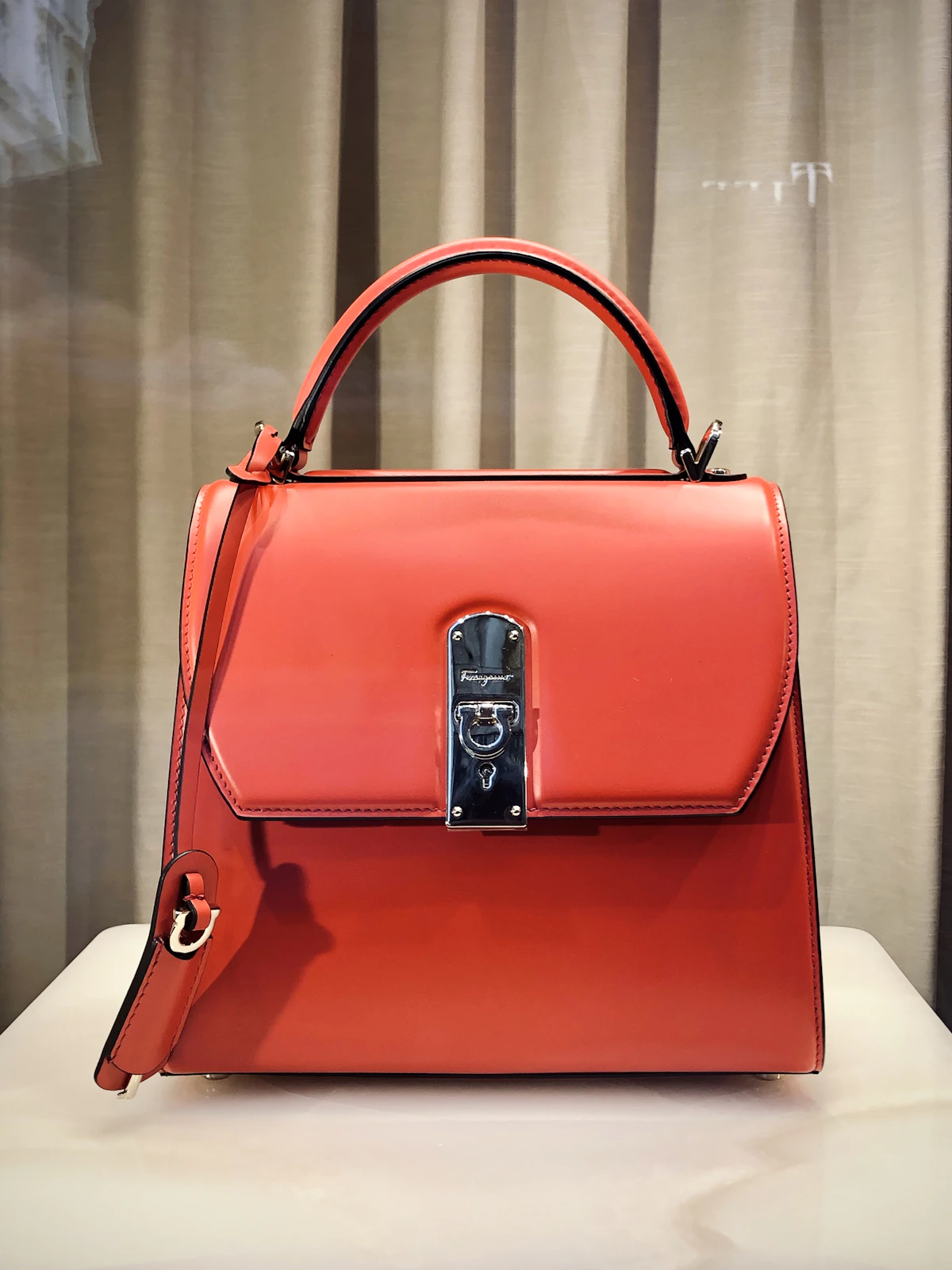
Luxury brands have always treated counterfeiting as a cost of doing business — a tax paid in brand dilution and lost exclusivity. What's changed is the sophistication of the counterfeits themselves. Premium counterfeit operations now replicate stitching, hardware, and even physical security features closely enough that visual inspection alone is no longer a reliable line of defense.
The layered approach most luxury brands already use
- Physical craftsmanship cues: stitching patterns, hardware weight, material feel — still useful but increasingly replicable at scale.
- Holograms and security threads: visible deterrents, but generate no data and are themselves being copied by well-funded counterfeit operations.
- Serial numbers: traceable within the brand's own records, but easily photographed and reprinted onto fakes.
Craftsmanship tells a story about quality. It doesn't answer the one question that matters at resale: is this the real thing?
— Ratifye Brand Protection DeskWhat cryptographic authentication adds
A cryptographically signed QR code, discreetly integrated into existing packaging or a care card, gives an instant verifiable answer that a hologram cannot: this specific unit, tied to this specific signature, was issued by the brand. It cannot be cloned by photographing and reprinting, which is the exact failure mode of every purely visual security feature.
Why this matters especially for resale and secondary markets
The luxury resale market has grown fast enough that authentication is now a purchase-decision factor, not just a brand-side concern — buyers on resale platforms actively look for a way to verify what they're paying for. Brands that offer a built-in verification method turn this into a trust advantage rather than leaving it to third-party authentication services with no direct brand relationship.
Get started
Add unclonable authentication without changing your packaging design.
See a Live Demo →Implementation without compromising the unboxing experience
For luxury brands, how a security feature looks matters as much as what it does. Authentication can be integrated subtly — inside a care card, on an interior tag, or worked into existing packaging artwork — without adding visible "security feature" branding that undercuts the premium experience.


