GS1 India Pricing 2026: Complete Cost Breakdown

Everything you need to know about GS1 India membership costs, annual barcode fees, hidden charges, and what's actually included in your payment.

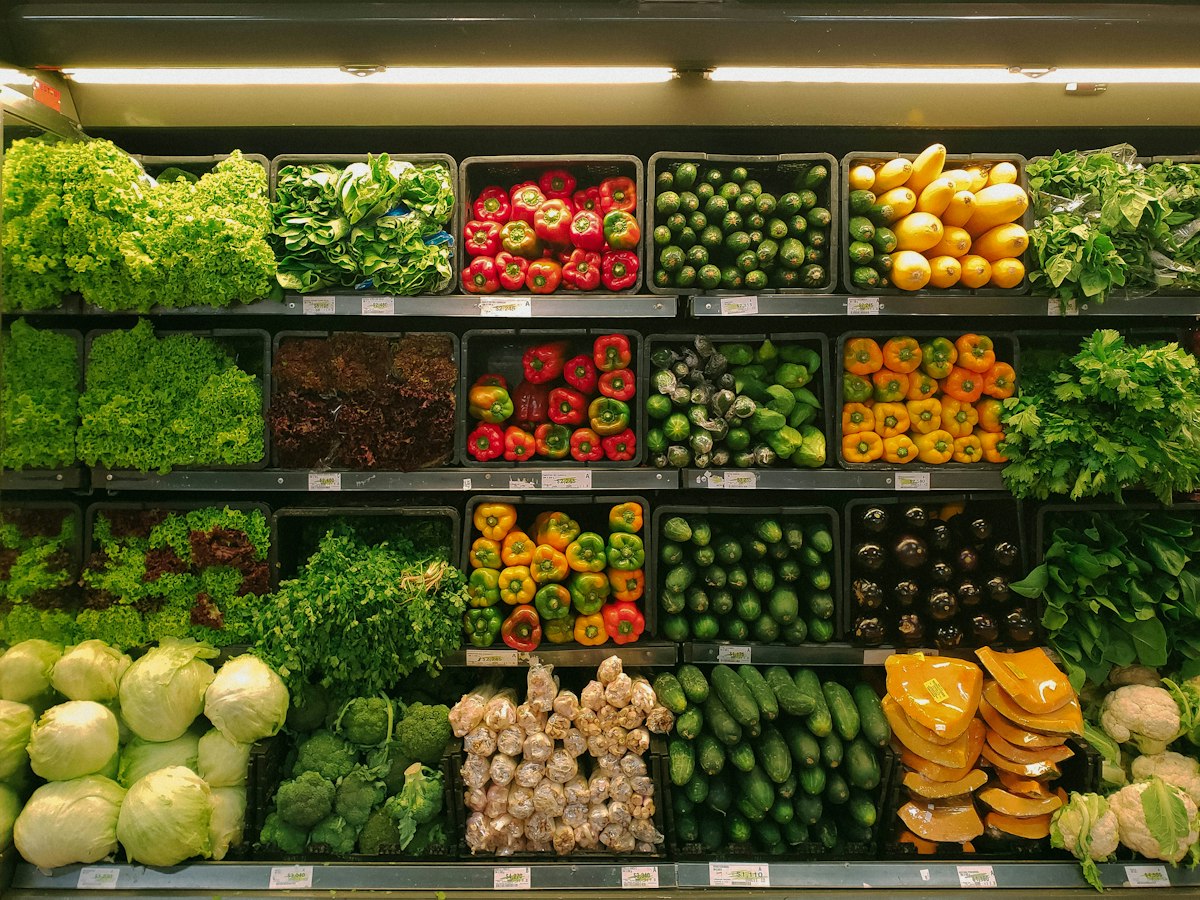
GS1 barcodes on consumer product packaging in a retail setting

If you're a manufacturer in India looking to sell products through retail channels, you've likely encountered GS1 barcodes. Whether it's Amazon, Flipkart, or traditional retail stores, everyone requires GS1-compliant product codes.

But here's what most businesses discover too late: GS1 India's pricing structure is more complex than it appears, with costs that compound quickly as you scale. A "simple barcode" can end up costing significantly more than you budgeted over 3-5 years.

This comprehensive guide breaks down every fee, explains what you're actually paying for, and helps you calculate your true multi-year costs—including the hidden expenses most companies miss.

1. GS1 India Membership Structure

GS1 India operates on a two-part pricing model: a one-time membership registration fee plus annual renewal fees that vary based on how many barcode numbers you need.

Initial Registration (One-Time)

When you first join GS1 India, you pay a one-time registration fee of ₹25,000. This is a non-refundable membership fee that grants you access to the GS1 system and assigns you a unique company prefix.

💡 What is a Company Prefix?

Your company prefix is a unique identifier (typically 7-9 digits) that becomes part of all your product barcodes. For example, if your prefix is "890123456", all your product GTINs (Global Trade Item Numbers) will start with these digits.

Annual Renewal Fees

After your initial registration, you must pay annual fees to maintain your membership and barcode licenses. These fees depend entirely on how many product codes you need, creating a tiered pricing structure that we'll break down next.

⚠️ Important: Renewal is Mandatory

If you don't renew your membership annually, your barcode licenses become invalid. Products already in the market may continue using the codes, but you cannot generate new ones or access GS1 services until you renew and pay any outstanding fees.

Business professional reviewing cost spreadsheets and annual fee structures
GS1 India costs combine membership, per-code fees, and recurring annual charges—plan for the full multi-year total.

2. Per-Code Pricing Tiers Explained

GS1 India's annual fees are structured in tiers based on how many unique product codes (GTINs) you need. Here's the complete breakdown for 2026:

Number of Barcodes Annual Fee (₹) Cost Per Code (₹) Best For
10 codes ₹7,200 ₹720 Small startups, single product lines
100 codes ₹18,000 ₹180 Growing brands, multiple SKUs
1,000 codes ₹36,000 ₹36 Mid-size manufacturers
10,000 codes ₹72,000 ₹7.20 Large enterprises, multiple brands
100,000 codes ₹1,44,000 ₹1.44 Very large manufacturers

How to Calculate Which Tier You Need

Each unique product variation needs its own GTIN (barcode number). Here's what counts as a separate SKU:

📊 Real Example: FMCG Brand

A mid-size FMCG brand with:

  • 5 product categories (soap, shampoo, lotion, face wash, sunscreen)
  • 3 sizes per product = 15 SKUs
  • 2 variants per size (men's, women's) = 30 SKUs
  • Plus multi-packs and gift sets = 50 total SKUs

Required tier: 100 codes (₹18,000/year)

Even though they only use 50 codes currently, they buy 100 to have room for new launches.

3-Year Cost Projection

Let's see how these annual fees add up over a typical 3-year period:

₹46,600
10 codes
(₹25K setup + ₹7.2K×3 years)
₹79,000
100 codes
(₹25K setup + ₹18K×3 years)
₹1,33,000
1,000 codes
(₹25K setup + ₹36K×3 years)
₹2,41,000
10,000 codes
(₹25K setup + ₹72K×3 years)

3. Hidden Costs Most Companies Miss

The membership and annual fees are just the beginning. Here are the additional costs that catch most companies off guard:

1. Additional Product Lines

If you launch new product categories that exceed your purchased code allocation, you need to upgrade to the next tier mid-year. GS1 India charges the pro-rated difference plus a ₹5,000 administrative fee.

Example: You have 100 codes but launch 120 new SKUs. Mid-year upgrade to 1,000 codes tier costs: ₹18,000 (difference between tiers) × 0.5 (half year remaining) + ₹5,000 admin fee = ₹14,000 extra.

2. Barcode Artwork Generation

GS1 India provides the numbers, but creating print-ready barcode artwork often requires:

3. International Barcode Requirements

Selling internationally? You might need additional codes:

4. Data Pool Listing Fees

Many retailers (especially modern trade) require your product data in GS1's data pool:

5. What GS1 Fees DON'T Include

Critically, your GS1 membership does NOT include:

💰 Real Total Cost Example

Mid-size pharma company (500 SKUs) over 3 years:

  • GS1 India membership: ₹25,000 (one-time)
  • Annual fees (1,000 codes): ₹36,000 × 3 = ₹1,08,000
  • Barcode software: ₹10,000
  • Data pool listings: ₹500 × 500 = ₹2,50,000
  • CDSCO serialization consultant: ₹60,00,000
  • Authentication platform: ₹5,000/month × 36 = ₹1,80,000
  • Track & trace system: ₹5,00,000/year × 3 = ₹15,00,000

Total 3-year cost: ₹84,73,000

Just ₹1.33L of that was GS1 India fees. The rest came from "what GS1 doesn't include."

4. Calculate Your 3-Year GS1 India Costs

Use this interactive calculator to see your actual costs over 3 years:

GS1 India Cost Calculator

Total GS1 India Cost
₹79,000
₹25,000 one-time registration + ₹18,000/year × 3 years
💡 Want to see how this compares to alternatives?

Modern barcode platforms like Ratifye offer unlimited barcode generation, built-in serialization, authentication, and track-trace for a flat ₹18,500/month—often cheaper than GS1 India alone, with far more capabilities included.

5. What GS1 India Actually Includes (and What It Doesn't)

✅ What You GET with GS1 India Membership:

❌ What You DON'T GET (and Will Need Separately):

🔍 The Gap: What Most Companies Realize Too Late

GS1 India is essentially a barcode number licensing service. You're paying for the right to use globally-recognized product codes—that's it.

Everything else you need to run a modern supply chain (authentication, serialization, tracking, visibility) requires separate vendors, integration projects, and ongoing subscriptions. This is why many companies end up spending 10-20x their GS1 costs on these additional systems.

6. Alternative Approaches to Consider

Given the limitations and accumulating costs, many companies are exploring alternatives to the traditional GS1 India membership. Here are your options:

Option 1: Keep GS1 India, Add Authentication Platform

Approach: Continue using GS1 India for barcode numbers, but layer on cryptographic authentication.

Option 2: Complete Platform with Built-In Generation

Approach: Use an integrated platform like Ratifye that generates GS1-compliant barcodes AND provides authentication, serialization, and track-trace.

Option 3: Hybrid Approach

Approach: Keep existing GS1 codes for legacy products, use platform for new launches.

₹2.41L
GS1 India Only
(10K codes, 3 years)
₹17.41L
GS1 + Auth Platform
(₹5K/month, 3 years)
₹6.66L
Complete Platform
(Ratifye, 3 years)

As you can see, the "cheapest" option (GS1 India only) leaves you without authentication, serialization, or track-trace. Once you add those separately, the integrated platform approach often costs 60-70% less while delivering far more capabilities.

7. Making the Right Choice for Your Business

Here's a decision framework based on your specific situation:

Choose GS1 India If:

Consider an Integrated Platform If:

🎯 Key Takeaways

  • GS1 India's "simple" barcode costs compound over time: ₹46K-2.41L for 3 years depending on volume
  • Hidden costs (artwork, data pool, upgrades) add 30-50% to base fees
  • GS1 membership does NOT include authentication, serialization, track-trace, or anti-counterfeit features
  • Adding those capabilities separately costs ₹5-15L/year across multiple vendors
  • Integrated platforms offer all capabilities for ₹18.5K/month (₹6.66L over 3 years), often saving 60-80%
  • For pharma companies: platforms include CDSCO serialization vs ₹60L consultant projects

Calculate Your Exact Savings

See how Ratifye compares to your current GS1 India costs with our interactive comparison calculator. Most companies save 60-85% while getting unlimited barcodes, serialization, authentication, and track-trace included.

Compare GS1 India vs Ratifye

8. Frequently Asked Questions

Can I buy barcodes from other sources besides GS1 India?
Yes, but with caveats. You can buy "recycled" GS1 prefixes from third-party resellers, but major retailers (Amazon, Flipkart, Reliance Retail) increasingly require proof of direct GS1 India membership. Modern platforms like Ratifye generate GS1-compliant codes under their own licensed prefix, which is accepted by retailers and includes authentication features that standard GS1 codes lack.
What happens if I don't renew my GS1 India membership?
Your barcode licenses become inactive. Products already in the market can continue using the codes (the barcodes themselves don't "stop working"), but you lose the ability to generate new codes, access data pool listings, and prove compliance to retailers. Renewing after a lapse requires paying back dues plus penalties.
Can I switch from GS1 India to another platform later?
Yes, but it requires reprinting packaging for new products. Existing products can keep their GS1 India codes. Most companies take a hybrid approach: keep legacy codes, use new platform for new launches. This avoids disruption while gaining new capabilities like authentication and serialization for future products.
Do GS1 barcodes prevent counterfeiting?
No. Standard GS1 barcodes are simply product identifiers—they can be perfectly copied by counterfeiters. GS1 India doesn't provide any authentication mechanism. To prevent counterfeiting, you need cryptographic authentication added to your barcodes through a separate platform.
Is GS1 India required for CDSCO serialization?
GS1 standards (SGTIN format) are required for CDSCO, but you don't necessarily need a GS1 India membership. Platforms that generate GS1-compliant serialized codes can fulfill CDSCO requirements. The key is unit-level serialization capability, which GS1 India doesn't provide—you'd need a separate ₹50-60L serialization consultant project.
How long does GS1 India registration take?
Typically 5-7 business days after submitting all documents and payment. You'll receive your company prefix and can start generating GTINs immediately. However, getting barcodes print-ready and integrated into your packaging/systems adds another 2-4 weeks.
Can I upgrade my barcode allocation mid-year?
Yes, GS1 India allows mid-year upgrades. You pay the pro-rated difference between your current tier and new tier, plus a ₹5,000 administrative fee. For example, upgrading from 100 codes to 1,000 codes halfway through the year costs approximately ₹14,000 (₹18,000 difference × 0.5 + ₹5,000 fee).

Conclusion: Plan for Total Cost, Not Just Membership Fees

GS1 India provides an essential service—globally recognized barcode numbers that retailers require. For small businesses with simple needs, the ₹25K setup + ₹7-18K/year might be perfectly adequate.

However, most growing businesses quickly discover that barcode numbers are just the starting point. Authentication to fight counterfeits, serialization for regulatory compliance, track-trace for supply chain visibility—these aren't optional "nice-to-haves" anymore. They're table stakes in modern commerce.

The real question isn't "Can I afford GS1 India?" but rather "Can I afford GS1 India plus all the separate systems I'll need to fill the gaps?"

That's why an increasing number of companies—especially in pharmaceuticals, FMCG, and electronics—are choosing integrated platforms that provide everything in one system. The math is compelling: ₹18.5K/month for unlimited codes + serialization + authentication + track-trace often costs less than GS1 India fees alone, while delivering 10x the capability.

Next Step: Use our interactive comparison calculator to see your exact costs over 3 years: GS1 India + separate vendors vs. an integrated platform approach. Most companies are surprised by how much they can save while gaining significantly more functionality.

About Ratifye

Ratifye is India's complete GS1 barcode platform—generation, serialization, cryptographic authentication, and track & trace in one unified system. We help 500+ brands replace 3-4 separate vendors with a single platform that's CDSCO-compliant, ISO 27001-certified, and live in 2 weeks.

Book a demo to see how we compare to your current GS1 India + vendor stack.

add this blog in blogs screens